
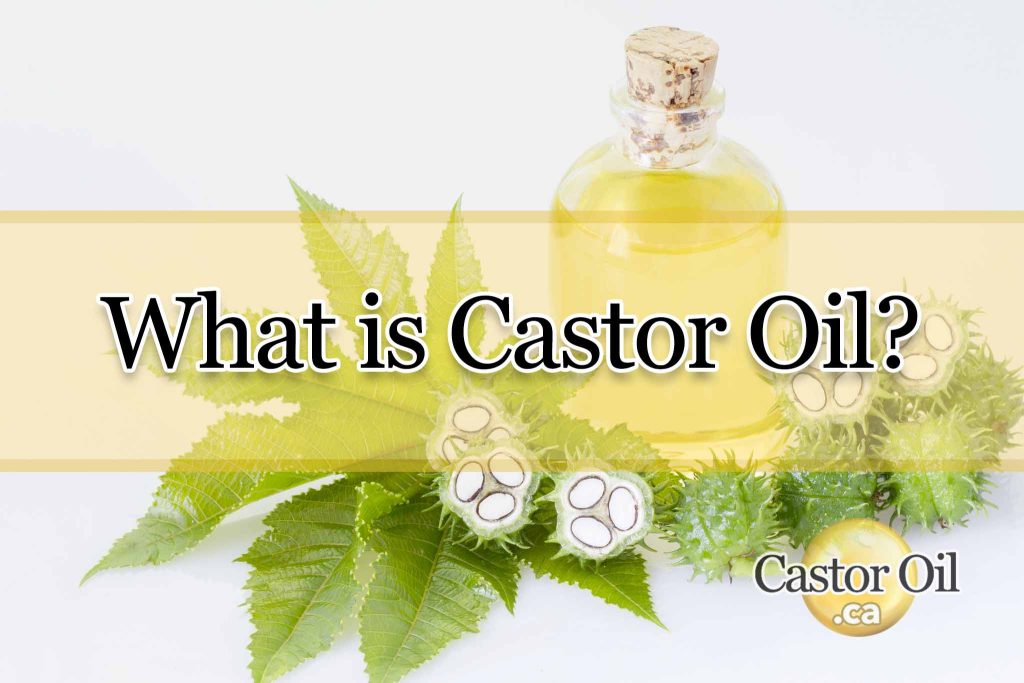
What is Castor Oil?
Discover the Benefits, Uses, and Properties of Castor Oil for Health – Your Guide to Castor and Oil
Discover the transformative power of castor oil—a time-honored natural remedy celebrated for its diverse health and beauty benefits. Sourced from the seeds of the Ricinus communis plant, castor oil is rich in nutrients and essential fatty acids that support wellness inside and out.
On this page, you’ll learn what castor oil is, its standout properties, and why it’s a trusted choice in homes across Canada. Explore proven uses for skin, hair, and holistic health, and uncover expert tips for choosing the highest quality castor oil for your needs.
Key Highlights
- Castor oil is a nutrient-rich, versatile remedy used for health, skin, and hair, prized for its purity and natural benefits.
- Organic production methods guarantee higher quality castor oil by avoiding chemicals, preserving purity, and protecting the environment.
- Canadian shoppers should look for organic castor oil, cold-pressed castor oil, and transparently sourced oils for maximum safety and efficacy.
- Castor oil packs and topical routines support wellness by nourishing skin, soothing discomfort, and aiding natural healing processes at home.
- Proper dosage and safety guidelines are crucial when using castor oil for constipation to avoid potential adverse effects.
What is Castor Oil? Understanding Its Origins and Natural Properties
Castor oil stands out as one of the most versatile seed oils, prized for its unique health benefits, rich history, and natural properties.
Extracted from the castor bean of the oil plant Ricinus communis, this oil has played an essential role in medicine and wellness traditions for centuries. The castor plant itself has roots in ancient civilizations, where people valued its effectiveness in medicine and everyday life. Modern research continues to highlight the remarkable effects of organic castor oil, with patients and practitioners alike recognizing its potential.
Understanding its origins, extraction, and natural qualities helps Canadian shoppers appreciate castor oil’s exceptional benefits for overall health and well-being.
The Role of Organic Production in Superior Oil Quality
Organic castor oil sets itself apart thanks to its rigorous, environmentally responsible production methods that begin with the cultivation of the castor plant, Ricinus communis.
By emphasizing sustainable farming, organic growers ensure that the castor bean matures in soil free from synthetic chemicals, pesticides, or herbicides. This eco-conscious approach preserves the vital properties of the seed oil, from its purity to its potent bioactive compounds, ensuring that the resulting oil is as natural and untainted as possible. For people who value health and environmental stewardship, such organic practices directly translate to a higher quality oil with superior benefits and fewer risks of adverse effects.
Traditional oil extraction often introduces contaminants or depletes natural phytochemicals. In contrast, organic castor oil production prioritizes mechanical, cold-pressed extraction techniques. These gentle methods avoid high heat or solvents, allowing the oil to retain nutrient density and preserve beneficial fatty acids, especially ricinoleic acid—castor oil’s signature compound.
Research underscores how preserving this unique molecular structure enhances the oil’s effectiveness in both traditional and modern medicine, boosting its therapeutic benefits for skin, hair, and overall health.
Canadian shoppers seeking pure, potent castor oil should verify both the organic certification and the extraction process, as these directly impact safety and performance. Another vital aspect of organic production is meticulous quality control and transparency.
Reputable producers test their oil batches to ensure the highest purity, confirming there’s no trace of unwanted substances that could harm patients or diminish the expected effects. These quality assurances are crucial, as medical research continues to document both short- and long-term benefits of consistent, high-grade organic castor oil.
By opting for oil derived from the finest castor beans, cultivated on sustainable farms, consumers can expect greater efficacy, harnessing the oil’s storied history and proven results for modern health challenges. The long history of castor oil as a trusted medicine across cultures is deeply tied to the integrity of its source. Organic methods not only protect the environment but also safeguard people from the risk of contamination by residues often found in conventionally produced seed oil.
This careful stewardship honors the legacy of castor oil, continuing its tradition of supporting health safely. With research continually demonstrating its advantages in diverse health applications, Canadians have compelling reasons to prioritize organic castor oil—embracing its benefits for everyday routines and specialized wellness needs alike. To ensure you’re getting the best, always look for clear organic labeling, transparent supply chains, and a demonstrated commitment to preserving the true natural properties of Ricinus communis—the foundation of authentic, effective castor oil.
The Unique Properties of Castor: From Bean to Pure Oil
Castor oil’s journey from resilient castor bean to pure, therapeutic oil is a process steeped in chemistry, innovation, and a tradition of wellness. This incredible oil owes its exceptional qualities to its complex composition, particularly its high concentration of ricinoleic acid, a compound that sets it apart among natural oils.
Superior organic castor oil is carefully extracted to preserve its bioactive components and is subjected to stringent testing for purity and authenticity. For Canadian consumers, understanding these properties and how to identify authentic products is key to tapping into castor oil’s health, skin, and wellness benefits without compromise.
How Canadian Shoppers Can Identify Authentic Organic Castor Oils
Shopping for castor oil in Canada can be a rewarding experience, provided you know how to discern authentic, organic products that maximize health and safety.
As organic castor oil gains popularity for its unique effects on skin, face, and overall health, the marketplace grows more crowded with options—yet not all are created equal. To safeguard your well-being and ensure efficacy, it is crucial to scrutinize the attributes that separate genuine oils from their less reliable counterparts.
First and foremost, authentic organic castor oil will prominently display its certification. Canadian shoppers should look for third-party organic certifications on product labels, such as USDA Organic, Ecocert, or Canada Organic, confirming that the oil meets rigorous standards and is free from synthetic pesticides or herbicides.
This is especially important because only organic practices ensure that the delicate and valuable ricinoleic acid—castor oil’s hallmark fatty acid—is preserved in potent concentrations, avoiding the degradation seen in conventional, chemically processed oils.
High-quality organic oil will often highlight that it’s cold-pressed; this extraction method avoids heat and solvents, preserving the natural phytochemicals crucial for skin health and avoiding issues of toxicity or adverse effects sometimes associated with improperly refined oils.
Transparency in sourcing and production forms another pillar in identifying authentic products.
Trustworthy manufacturers specify the origin of their castor beans and detail sustainable farming and ethical supply chains. As research shows, the conditions in which castor plants are cultivated directly affect the oil’s purity and its health-related properties. Choose brands that provide batch numbers and offer lab testing results, proving there’s no contamination or diminished action of essential bioactive compounds.
Authentic organic castor oil will be free from unnecessary additives, fillers, or artificial fragrances—its ingredient list should only include “organic castor oil (Ricinus communis)” and potentially note its use as a carrier oil for other treatments.
Texture, scent, and appearance are practical sensory tests Canadian shoppers can use to supplement label claims. Pure castor oil is typically pale yellow, thick, and smooth, with a light, nutty aroma—not chemically harsh nor unpleasant. If the oil feels overly greasy, watery, or has an artificial scent, these could indicate that it’s been diluted with lower quality oils or is not authentic.
Additionally, brands that are committed to their customers’ safety and health will have clear return policies, transparent ingredient disclosures, and customer support willing to address questions about potential effects, such as digestive action or rare adverse reactions for sensitive people or patients with specific conditions.
It’s wise for Canadian buyers to consult up-to-date research or recommendations from healthcare professionals, especially when seeking castor oil for direct health applications such as skin treatment, bowel support, or face care. Since organic castor oil is often used as a carrier oil for essential oil blends, ensuring its authenticity protects you from toxicity and maximizes treatment benefits. Patients interested in integrative routines can check for brands recommended by naturopaths or dermatologists, who prioritize pure, research-backed oils for both efficacy and safety.
Ultimately, selecting authentic organic castor oil means protecting your skin, harnessing the well-documented effects of ricinoleic acid, and choosing a product whose journey—from castor bean to pure oil—is marked by transparency, rigor, and respect for health-conscious Canadians.
Start your wellness journey by shopping for castor oil with confidence, prioritizing authenticity, and embracing the centuries-old benefits that only true castor oil can provide.
Exploring Oil Benefits: Nourishing Skin, Hair, and Beyond
Castor oil is renowned not only for its historical pedigree and meticulously preserved natural properties, but also for its wide-reaching benefits across health, skin, and hair routines. From deep hydration and skin-soothing effects to strengthening hair and supporting overall wellness, the oil’s unique composition delivers tangible, science-backed advantages.
Canadian shoppers seeking comprehensive treatment options for their daily regimen will appreciate how castor oil can serve as a cornerstone of natural care. It has adaptability that stretches well beyond traditional remedies, making it an essential choice for anyone aiming to nourish body and mind with a single multifaceted oil.
Supporting Overall Health with Natural Oil-Based Routines
Integrating castor oil into your daily practices is a powerful step toward unlocking diverse oil benefits that resonate far beyond the surface level. While many Canadians initially seek out castor oil for targeted skin or hair treatment, the oil’s profound impact on overall health should not be underestimated.
Rich in essential fatty acids, most notably ricinoleic acid, castor oil interacts uniquely with the body, delivering both restorative and protective effects that can elevate an entire health routine. Its molecular structure allows deep penetration, a feature that distinguishes castor oil from many other oils—facilitating the transfer of nutrients directly to tissues in need.
This deep action is particularly prized in holistic wellness, where castor oil is used not just as a beauty aid, but as a therapeutic agent for aches, inflammation, and immune support.
Canadian shoppers looking to boost their wellness can start by applying castor oil topically as part of a regular self-care ritual. The oil’s emollient properties make it excellent for dry or sensitive skin, locking in moisture and supporting the skin barrier against harsh climates.
Since healthy skin acts as the first defense in overall health, incorporating castor oil helps maintain resilience, fights off irritants, and keeps the skin supple and protected. The naturally occurring compounds within castor oil encourage regeneration and reduce the visible impact of environmental stress, making it a smart addition for people facing cold winters or dehydrating indoor heat.
Notably, castor oil is often favored in oil cleansing routines, where its gentle but effective cleansing action draws out impurities without stripping away essential moisture. The hair benefits of castor oil are just as transformative. Used as a pre-shampoo treatment or scalp massage oil, it can help restore shine, minimize breakage, and even encourage growth—thanks to its ability to deeply nourish follicles and stimulate circulation.
Canadians facing dry scalp or brittle hair, especially in seasonal transitions, often see results with consistent oil application. The anti-inflammatory effects benefit scalp health, minimizing flakes and irritation, while the oil’s viscosity acts as a natural sealant, locking in hydration for both hair and scalp.
Moreover, the fortifying influence of castor oil isn’t limited to conventional beauty uses; many find it invaluable when used in nail and cuticle care, providing the same strengthening and moisturizing advantages as it does for skin and hair. The holistic health benefits extend further, too.
Historically, castor oil packs have been employed for their gentle yet effective support in detoxification (a topic explored more in-depth in a later section).
Applying a warm castor oil compress over the abdomen is a traditional tool for soothing muscle tension and supporting digestive comfort. The oil’s unique composition makes it suitable for massage, where it can help relieve local inflammation, ease joint discomfort, and foster relaxation—benefits rooted in decades of both traditional and emerging research.
For Canadians interested in a comprehensive wellness approach, castor oil’s safety and versatility make it especially suitable for families, as a little goes a long way in everyday routines.
To maximize oil benefits, always prioritize authentic, organic castor oil—this ensures the highest concentrations of health-supporting compounds and avoids the health risks sometimes seen with lower purity oils. Read labels carefully, consult reviews, and choose from brands committed to quality, transparency, and rigorous sourcing methods.
As more health-conscious Canadians look to natural oil-based routines, castor oil stands as a steadfast ally for skin, hair, and total well-being—inviting you to experience treatment benefits that reach well beyond expectation.
Ready to upgrade your routine? Explore premium castor oil products online and try incorporating this valuable oil into your daily life for revitalized health, radiant skin, and resilient hair, all with the proven benefits of this centuries-old remedy.
Health Uses of Castor Oil Packs for Home Wellness
Castor oil packs have become a staple in home wellness routines across Canada, celebrated for their unique ability to promote health, soothe discomfort, and encourage the body’s natural healing processes. Unlike topical uses of castor oil for skin and hair, oil packs involve saturating a cloth with oil and applying it to the body, harnessing the deep-penetrating action of castor for targeted effects.
Health practitioners and holistic enthusiasts alike praise this method for supporting detoxification, abdominal comfort, and even inflammation relief. The growing research surrounding castor oil’s benefits affirms its reputation for both safety and effective home treatment. As Canadians seek natural, accessible solutions for daily wellness, learning to create and safely use castor oil packs at home is essential.
This section provides practical guidance for maximizing benefits while minimizing risks.
Tips for Safely Creating Effective Oil Packs at Home
Crafting your own castor oil packs at home offers a practical way to experience the renowned health benefits of this versatile oil. Drawing from modern research and traditional medicine, oil packs are frequently recommended by health professionals for a range of wellness needs, from alleviating digestive discomfort to nurturing the skin.
For everyone preparing to integrate this natural treatment into their routines, prioritizing safety and effectiveness ensures optimal results and a positive experience for people of all backgrounds and health statuses.
Start by selecting a high-quality, organic castor oil—ideally, cold-pressed and hexane-free—to guarantee purity and maximum therapeutic action. Inferior or impure oils can decrease effectiveness and may even introduce risks of skin irritation or unwanted effects, particularly for those with sensitive skin or a history of adverse reactions.
Always check for organic certification on your castor oil bottle before use, and avoid any oils with unnecessary additives. This simple step is an investment in your health and underlines the crucial role of transparency previously discussed in choosing authentic castor oil products.
To assemble an oil pack, you’ll need a piece of soft, clean cotton or flannel, large enough to cover the targeted area—most commonly the abdomen for digestive health or the lower back for muscle relaxation.
Pour enough castor oil over the cloth to saturate it, but not so much that it’s dripping.
Place the oil-soaked cloth directly on your skin, then cover with a layer of plastic wrap to prevent staining your clothes or linens.
For added comfort and to boost the oil’s effects, apply a heating pad or hot water bottle over the pack.
The gentle warmth enhances absorption, allowing castor oil’s active compounds to penetrate skin tissues more efficiently and support deep-acting benefits such as bowel regulation and relaxation of muscle tension.
For the best health results, leave the oil pack in place for about 30 to 60 minutes. During this time, relax, hydrate with water, and avoid any strenuous activity. Once finished, remove the pack and cleanse the area with mild soap and water; this helps prevent any sticky residue and reduces the risk of skin irritation or toxicity from prolonged contact.
Many castor oil users integrate oil packs into their routines up to three times a week, but frequency can be adapted based on personal comfort and feedback from your body. Always store your oil pack in a sealed bag in the fridge between uses and reapply fresh oil each session for optimal hygiene.
Importantly, consider individual sensitivities or health concerns when using oil packs. While research supports their safety for most people, those with certain health conditions, pregnant patients, or those with allergies to castor may experience adverse effects or need to consult their healthcare professional before starting treatment.
Castor oil packs are generally not recommended for people with open wounds, skin infections, or unusually reactive skin, given the risk of worsening symptoms. If you’re using castor oil for the first time, perform a patch test on a small skin area to check for unexpected reactions.
The gentle, non-invasive action of castor oil packs makes them accessible for self-care, but ongoing awareness is key. Always monitor your skin and overall well-being throughout your castor oil routine.
If you notice any negative effects, such as persistent irritation, rash, or discomfort, discontinue use and seek advice from your health provider. Incorporating a mindful, evidence-based approach to home treatments like oil packs not only protects your safety but amplifies the benefits that castor oil can offer in a holistic wellness plan.
Ultimately, by following these tips for safely creating and applying oil packs at home, Canadians maximize the benefits of castor oil—helping the skin, managing discomfort, and supporting a proactive approach to daily health.
Embrace this time-honored oil, supported by both tradition and research, and elevate your wellness journey with a simple, therapeutic routine that belongs in every natural health toolkit.
Ready to experience the effects for yourself? Stock up on pure, organic castor oil from a trusted source and follow these steps to make oil packs a beneficial, enjoyable part of your self-care regimen…
Addressing Constipation: The Traditional Use of Castor Oil
Castor oil holds a unique place in both traditional and modern medicine for its powerful laxative effects—especially in managing constipation.
For centuries, people have relied on castor oil to stimulate the bowel and encourage regular action when faced with discomfort. Its potent properties and the way it interacts with the digestive system have been the subject of extensive research and anecdotal evidence alike.
When considering castor oil as a treatment for constipation, it’s vital for Canadian shoppers to understand not just the oil’s history and benefits, but also the essential safety guidelines, correct dosage, and possible adverse reactions.
Exploring how to use castor oil safely ensures its health benefits are maximized while minimizing potential effects or risks for patients with sensitive systems or special health considerations.
Understanding Safety, Dosage, and Potential Adverse Reactions
For generations, castor oil has been a go-to remedy for constipation, celebrated in both traditional health practices and families across the globe. Yet, while its efficacy as a stimulant laxative is well documented, the safe and responsible use of castor oil is paramount.
Its mechanism of action centers on ricinoleic acid, a unique fatty acid found in high concentrations in castor oil.
This compound interacts with the bowel by stimulating the intestines’ smooth muscle, prompting peristalsis—the wave-like contractions that move contents through the digestive tract.
As a result, people typically experience relief from constipation within a few hours of taking a measured dose. However, as with all effective medicines, correct dosage, keen awareness of safety, and an understanding of potential adverse effects are crucial.
One of the core tenets of safe castor oil use is strictly following recommended dosage guidelines.
For most adults, the effective laxative dose ranges from 15 to 60 millilitres, taken orally and, ideally, on an empty stomach for optimal absorption and action.
For pediatric patients, doses are considerably lower and should only be given under direct supervision of a healthcare professional due to increased sensitivity and differing metabolism.
It’s important for people purchasing castor oil in Canada to know that exceeding recommended amounts does not improve the laxative effect—it only increases the likelihood of adverse bowel reactions, such as severe cramping, diarrhea, or dehydration due to excessive fluid loss.
These effects can be especially concerning for vulnerable groups, including the elderly and patients with pre-existing digestive conditions, making strict adherence to safe practices essential.
Beyond dose considerations, it’s imperative to recognize castor oil’s contraindications.
Pregnant people should avoid castor oil, as its powerful bowel-stimulating effects may also trigger uterine contractions, potentially leading to preterm labor.
Similarly, anyone with symptoms of acute abdomen (such as possible appendicitis or bowel obstruction) must not use castor oil, since further stimulating an already compromised bowel risks exacerbating serious, even life-threatening, health problems.
Clear, comprehensive guidance from medical professionals should always precede castor oil use for treatment in these situations. For the majority of healthy adults, minor adverse reactions are most commonly experienced and tend to be mild and self-limited.
These may include transient nausea, mild abdominal discomfort, and occasional loose bowel movements.
However, reports of rare, more serious reactions—like severe dehydration, electrolyte imbalances, or allergic responses—make it all the more important to respect dosage and monitor for unexpected health effects.
If a person taking castor oil encounters persistent vomiting, severe weakness, or signs of toxicity (such as confusion or rapid heartbeat), they should seek immediate medical care.
The safety profile of castor oil is bolstered by generations of use and substantial modern research, yet its popularity as a natural medicine comes with the responsibility of education.
Canadian patients and health-conscious shoppers should only buy castor oil products from reputable, thoroughly tested sources, ensuring products are pure and free from contaminants that might increase toxicity or introduce new risks.
As discussed in prior sections, prioritizing organic, cold-pressed castor oil amplifies both the health benefits and minimizes adverse effects, given its lack of residual chemicals or impurities. Respecting the balance of tradition, research, and modern safety standards ensures that castor oil remains a viable and effective tool for addressing constipation.
As always, consulting healthcare professionals before starting any treatment regimen is strongly advised—especially for people with underlying health conditions, those already taking medication, or anyone concerned about potential medicine interactions and individual side effects. Used properly, castor oil’s century-old track record in medicine can offer real benefits for people seeking gentle, effective relief from constipation, while minimizing the risk of unwanted reactions.
Embracing the natural power of castor oil opens the door to countless possibilities for your health, beauty, and wellness routine.
Whether you’re seeking a nourishing remedy for hair and skin, or a gentle aid for overall well-being, our premium organic castor oil delivers pure and effective results.
Explore our collection and experience the difference that quality, cold-pressed castor oil can make in your daily life. Start your journey to natural wellness today—discover customer reviews, helpful guides, and exclusive offers when you shop online with us, your trusted Canadian source for castor oil.
Our storefront is built for clarity and ease. You can castor oil online from certified Canadian brands without wading through unreliable listings. We’ve tested each one so you don’t have to.
Want to do a deep dive first? Our main castor oil page has all the answers you’re looking for.